Bornheim was repeatedly shaken by warlike events. As a village in the Electoral Palatinate, it lays in a region that for centuries was a transit and conflict area.
An early, significant event were the Peasants’ Wars of 1525. In the southern Palatinate, farmers rose up against taxes and manorial rule. In the area around Landau and Nußdorf, there was unrest. The massacre of peasants in Nußdorf is still remembered today. For Bornheim, the uprisings meant insecurity, economic burdens, and at times destruction.
Even more severe were the wars of the 17th century. The Thirty Years’ War (1618–1648) brought plundering, billeting of troops, and epidemics. Population numbers declined rapidly, farms laid abandoned and parts of the infrastructure fell into decay. The village had just recovered, when the Palatine Wars of Succession (1688–1697) followed. French troops devastated large parts of the region; Bornheim also suffered destruction and economic decline.
In the 18th century, further European conflicts led to troop movements and supply burdens for the population. With the French Revolution and the coalition wars from 1792, the Palatinate once again became the center of military conflicts. Bornheim came under French administration; new laws and administrative structures changed the village in the long term.
The First World War (1914–1918) claimed numerous soldiers from Bornheim. Name boards and memorials to the fallen remind us of the victims.
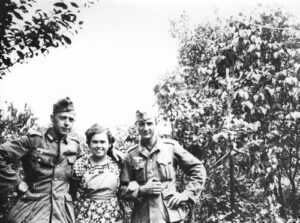 The Second World War (1939–1945) also left its mark. French military administration was also felt in everyday life in Bornheim through the gathering of troops, administrative orders, and the reorganization of political structures.
 In 1946, the new federal state of Rhineland-Palatinate was created from the French zone, to which Bornheim has belonged ever since.
Again and again, the people of Bornheim succeeded in reorganizing themselves. Population losses were compensated, buildings rebuilt, and structures renewed. The wars brought suffering and destruction — but they also led to political, social, and economic changes that shaped the village in the long term.